
A Beginner’s Guide to Stretching at Home for Better Flexibility
syvocue.pro >> Flexibility>>Stretching>> A Beginner’s Guide to Stretching at Home for Better Flexibility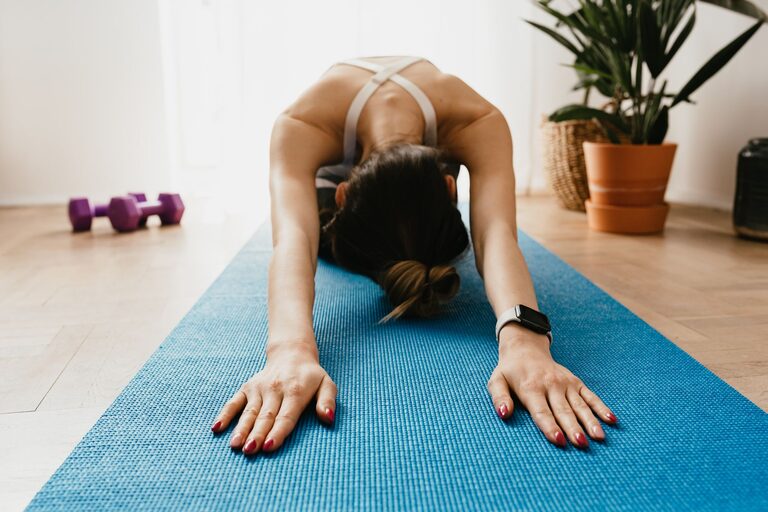
A Beginner’s Guide to Stretching at Home for Better Flexibility
Stretching is a fundamental component of physical health that often gets overlooked, especially by those new to exercise or working from home. Incorporating stretching into your daily routine can help improve flexibility, reduce muscle tension, and increase blood flow, all contributing to better mobility and overall comfort.
If you’re new to stretching or looking for guidance on how to stretch safely at home, this beginner’s guide will provide you with easy-to-follow tips, essential stretches, and practical advice to get started.
Why Stretching Matters
Before diving into the stretches, it’s important to understand why stretching holds value:
– Improves Flexibility: Regular stretching helps lengthen your muscles and improve your range of motion.
– Enhances Posture: Stretching can ease tight muscles that contribute to poor posture.
– Reduces Tension and Stress: Stretching encourages relaxation and can reduce the physical effects of stress.
– Prevents Injuries: Keeping muscles pliable reduces the risk of strains and sprains during daily activities or exercise.
– Boosts Circulation: Stretching increases blood flow to muscles, which supports recovery and energy.
Preparing to Stretch at Home
Before starting any stretching routine, keep these tips in mind for a safe and effective practice:
- **Choose a Comfortable Space:** Find a quiet, clutter-free area with enough room to move freely.
- **Wear Comfortable Clothing:** Loose or stretchy clothes are ideal for unrestricted movement.
- **Warm Up Slightly:** Stretching cold muscles is less effective; do a brief warm-up like walking in place or gentle arm swings for 3-5 minutes.
- **Use Props if Needed:** A yoga mat, strap, or towel can help with balance and deeper stretches.
- **Breathe Deeply:** Remember to breathe naturally and deeply during stretches to enhance relaxation.
Basic Stretches for Beginners
Here are some simple stretches to target major muscle groups. Hold each stretch for 15-30 seconds, avoid bouncing, and repeat 2-3 times per side when applicable.
1. Neck Stretch
– Sit or stand with your back straight.
– Slowly tilt your head toward one shoulder until you feel a gentle stretch on the opposite side of your neck.
– Hold, then switch sides.
2. Shoulder Rolls
– Stand or sit with your back straight.
– Slowly roll your shoulders forward in a circular motion 10 times.
– Reverse the direction and roll them backward 10 times.
3. Chest Opener
– Clasp your hands behind your back.
– Gently straighten your arms and lift your chest.
– Keep your shoulders down and away from your ears.
4. Cat-Cow Stretch (Spine Mobility)
– Get on all fours with wrists below shoulders and knees below hips.
– Arch your back downward while lifting your head and tailbone (Cow).
– Then round your back upward, tucking your chin and tailbone (Cat).
– Repeat 10 times slowly.
5. Seated Forward Fold
– Sit on the floor with legs extended straight out.
– Keeping your back straight, hinge at the hips and reach toward your toes.
– Stop when you feel a stretch in your hamstrings.
6. Standing Quadriceps Stretch
– Stand on one leg, holding onto a chair for balance if needed.
– Bend the opposite knee and bring your heel toward your buttock.
– Hold your ankle and gently pull to stretch the front of your thigh.
7. Calf Stretch
– Stand facing a wall, placing your hands on it at shoulder height.
– Step one foot back, keeping the heel on the floor and the leg straight.
– Lean forward slightly to stretch your calf.
– Switch legs.
Tips for Effective Stretching
– Don’t Push Too Hard: Stretch to a point of mild tension, not pain.
– Consistency is Key: Aim to stretch at least 3-4 times per week for best results.
– Stay Mindful: Focus on your body and movements rather than multitasking.
– Hydrate: Drink water before and after stretching.
– Modify When Needed: If a stretch is uncomfortable, adjust your position or skip it.
When to Stretch
Stretching can be incorporated into your day in several ways:
– Morning Routine: Ease into the day by gently stretching to wake up muscles.
– Before Exercise: Do dynamic stretches to warm up muscles.
– After Exercise: Use static stretches to cool down and improve flexibility.
– During Breaks: Take brief stretching breaks if you sit for long periods.
Conclusion
Stretching at home is a simple and accessible way to improve your physical health and enhance your daily comfort. By starting with these beginner-friendly stretches and following the tips outlined here, you can create a safe and enjoyable routine that fits your lifestyle.
Remember to listen to your body, move gently, and stay consistent. Over time, you’ll notice improvements in flexibility, posture, and overall well-being—without needing any special equipment or gym visits.
Happy stretching!