
How to Store Seasonal Clothes Efficiently for a Clutter-Free Closet
syvocue.pro >> Organization>>Storage>> How to Store Seasonal Clothes Efficiently for a Clutter-Free Closet
How to Store Seasonal Clothes Efficiently for a Clutter-Free Closet
Storing seasonal clothes efficiently is key to maintaining an organized and clutter-free closet. Whether you’re putting away bulky winter coats or packing up summer dresses, having a system in place makes the process easier and helps protect your garments until you need them again. In this post, we’ll explore simple, effective strategies to store seasonal clothes so they stay fresh, accessible, and ready to wear.
Why Store Seasonal Clothes Properly?
Rotating your wardrobe to match the seasons keeps your closet manageable and your daily routine smoother. Proper storage prevents damage like fading, stretching, or moth infestations, which can ruin your favorite items. It also maximizes space so you don’t have to buy extra storage solutions.
—
1. Sort and Declutter Your Clothes
Before storing, go through your seasonal items and decide what to keep, donate, or discard. Ask yourself:
– Have I worn this in the last year?
– Does it still fit and suit my style?
– Is it in good condition?
Donating clothes you no longer use not only frees up space but also supports those in need.
—
2. Clean Clothes Before Storing
Always wash or dry clean clothes before putting them away. Dirt, sweat, and stains can attract pests and cause fabric damage over time. Make sure garments are completely dry to prevent mold or mildew buildup.
—
3. Choose the Right Storage Containers
Invest in storage containers that protect your clothes while allowing them to breathe:
– Plastic bins with airtight lids: Great for protecting from dust and moisture, but allow some airflow by loosening the lid occasionally.
– Fabric storage bags: Ideal for delicate items, as they prevent crushing and allow airflow.
– Vacuum-sealed bags: Save space by compressing clothes but use cautiously with delicate fabrics that need to retain their shape.
Label each container clearly with its contents for easy access.
—
4. Use Cedar or Lavender to Repel Pests
Add natural repellents like cedar blocks, chips, or lavender sachets to your storage bins. These scents deter moths and insects without the harsh chemicals found in some pest control products. Replace or refresh them every few months.
—
5. Store Clothes in a Cool, Dry, and Dark Place
Avoid areas prone to extreme temperatures or humidity, such as basements or attics. A closet or dedicated storage room inside the home is ideal. Exposure to sunlight can fade fabrics and damage fibers.
—
6. Fold Clothes Properly to Avoid Wrinkles
Fold items neatly to minimize wrinkles and creases. For heavier garments like sweaters, fold them flat to avoid stretching. Avoid hanging delicate fabrics as they may lose shape over time.
—
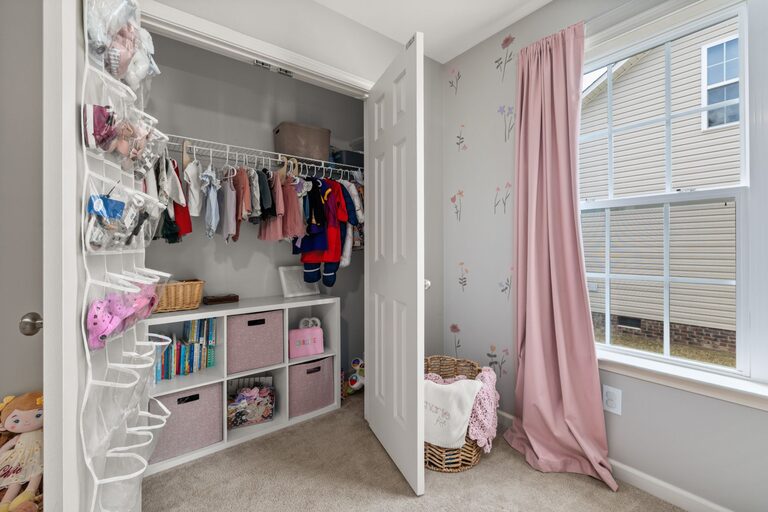
7. Use Storage Solutions to Maximize Space
– Shelving units: Keep bins organized and easy to reach.
– Under-bed storage boxes: Utilize unused space for infrequently worn items.
– Vacuum bags: Compress bulky items like blankets or coats.
– Garment bags: Protect hanging clothes such as suits or dresses.
—
8. Rotate Seasonal Clothes Regularly
When the season changes, swap out your clothes following the same process. Check stored items for any signs of damage or odors and air them out if needed before wearing again.
—
9. Maintain Your Storage System
Set a reminder every few months to check your stored clothes. Replace repellents, ensure containers are sealed properly, and address any issues immediately to maintain the condition of your wardrobe.
—
Bonus Tips for Special Items
– Leather and suede: Store in breathable cloth bags and avoid plastic.
– Delicate fabrics (silk, lace): Use acid-free tissue paper between folds to prevent snags.
– Shoes: Clean thoroughly, stuff with paper, and store in boxes or breathable bags.
—
Final Thoughts
Efficiently storing seasonal clothes doesn’t have to be complicated. With a little planning and care, you can keep your wardrobe organized, protect your garments, and free up valuable space all year long. Try these tips to create a practical and sustainable storage routine that works for your lifestyle.
Happy organizing!
Related Post